Aluma Laser Safety · Focused on Safety
Laser Safety Officer & Laser Safety Consulting for Organizations
Professional support for factories, medical institutions and laboratories operating hazardous laser products — in full compliance with Israel’s Safety at Work Regulations (Laser Radiation), 2005. In addition: workplace safety officer services and ionizing radiation safety officer services for the medical sector.
20+
Years of experience with lasers
100+
Organizations supported
10,000+
Employees trained
3B · 4
Laser classes we specialize in
Over 100 organizations chose Aluma
























Our Services
Three safety disciplines – one professional partner
Laser Safety
Outsourced Laser Safety Officer, risk assessments, safety programs and training – under Israel’s Safety at Work Regulations (Laser Radiation).
Laser safety services →Workplace Safety
Certified safety officers throughout Israel: risk assessments, safety management programs, employee and work-at-height training.
Workplace safety services →Ionizing Radiation
Radiation safety officers for hospitals, imaging centers and clinics: permits, monitoring, procedures and staff training.
Radiation safety services →What the Law Requires
Mandatory Appointment of a Laser Safety Officer
Every employer whose workplace operates a hazardous laser product — mainly Class 3B and Class 4 lasers — is required under the Safety at Work Regulations (Occupational Hygiene and Safety of Workers Exposed to Laser Radiation), 2005, to appoint a Laser Safety Officer. The appointment requires approval by the regional labor inspector.
Summary of the laser safety regulations and key definitions →
Employer obligations under the regulations: 7 key requirements
Appoint a Laser Safety Officer, approved by the regional labor inspector
Submit a safety program and a training program to the inspector before operation and after any significant change
Train new employees as soon as they start work, with a refresher for all employees at least once a year
Define hazard zones, mark them and post warning signs
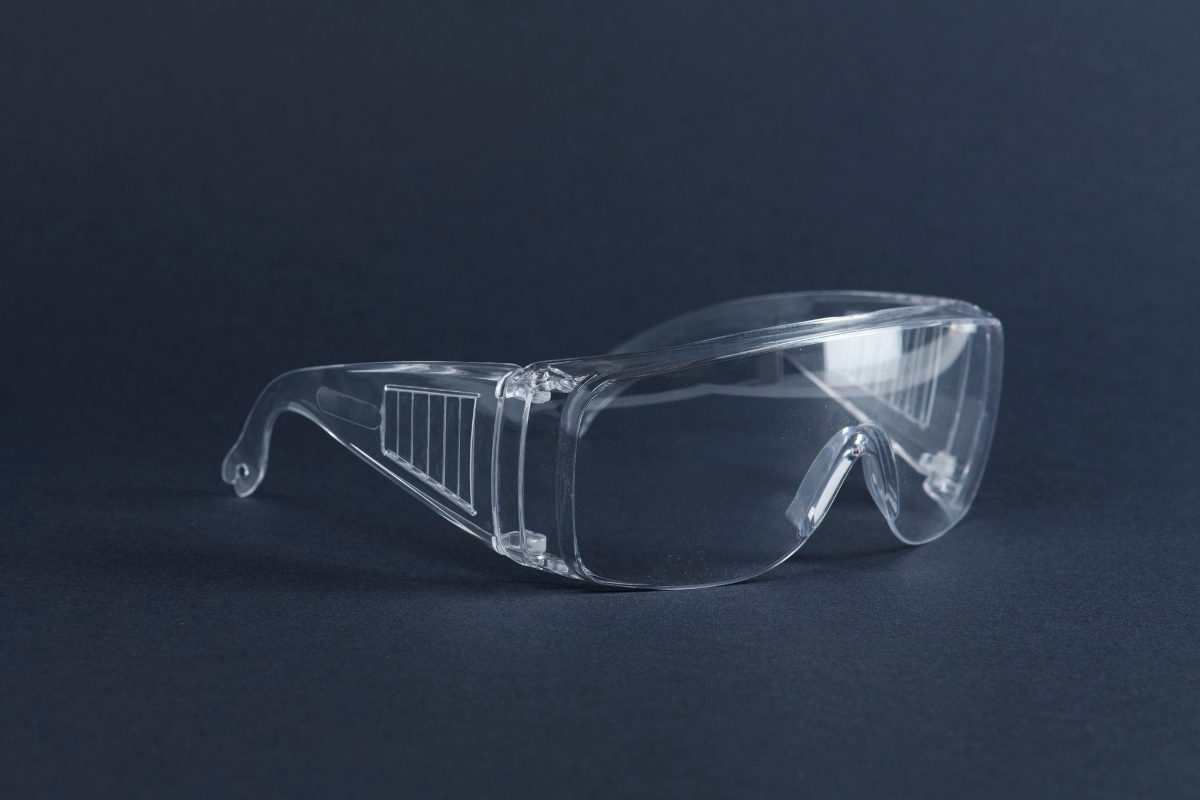
Provide suitable protective equipment, including protective eyewear
Occupational environmental testing by an accredited laboratory at least once a year (in some cases once every three years)
Report every accident involving a hazardous laser product to the inspector
Not sure your organization meets every obligation? We’ll review it with you.
Who we work with
Laser safety experts — supporting your organization’s entire safety program
Laser safety is Aluma’s core specialty. We work with organizations where lasers are part of production, treatment or research — and we understand the risks and requirements unique to each work environment.
Dedicated laser expertise
Laser safety has been our core specialty since day one — not a side service of a general safety company.
Full regulatory compliance
From risk assessment and safety program, through submission for labor inspector approval, to employee training and ongoing follow-up.
One safety partner
Workplace safety, ionizing radiation, training and e-learning — all with one provider, no need to coordinate multiple vendors.
Our areas of expertise
Laser cutting and marking plants
Metal processing, engraving and industrial marking
Electronics and semiconductors
Production lines, welding and micro-machining
Medical devices and hospitals
Operating rooms, ophthalmology and dermatology
Aesthetic clinics
Laser hair removal and skin treatments
Research labs and academia
Optics, physics and biology laboratories
Optics and defense industry
Electro-optical systems and testing
Laser Safety
Laser Safety Officer services — from initial assessment to ongoing professional support
A Laser Safety Officer on our behalf who fulfils every duty required by the regulations — including inspection before first operation and after any significant change.
Risk assessment, definition and marking of hazard zones, and preparation of a safety program and training program for submission to the labor inspector.
Written and verbal training for new employees and an annual refresher for all staff, tailored to your laser types and work processes.
Digital annual training with a test, automatic documentation and completion tracking — for organizations with many employees or shift work.
Workplace Safety Officer – a certified team across Israel
Alongside our laser safety expertise, Aluma provides full workplace safety officer services to organizations throughout Israel – through a team of certified safety officers, in accordance with the Labor Inspection Organization regulations.
Workplace Safety
A safety officer on our behalf who supports your organization on an ongoing basis and ensures legal compliance — in any workplace, with or without lasers.
- Risk assessments and safety walkthroughs
- Safety management program
- Employee training, including work at height
- Ongoing support for the employer
A systematic program for managing safety and preventing workplace accidents.
Safety training
Employee training based on your organization’s risks.
Work at height training
In accordance with the Safety at Work Regulations (Work at Height).
Safety e-learning
E-learning modules customized for your organization.
Training management system
Training completion tracking and automated reports.
Medical Ionizing Radiation Safety Officer
Aluma supports hospitals, imaging centers and clinics throughout Israel in ionizing radiation safety – through certified radiation safety officers, from risk assessment and permits to medical staff training.
Ionizing Radiation
Consulting, supervision and support in ionizing radiation safety for medical institutions and clinics — from risk assessment to medical staff training.
- Risk assessments and hazard identification
- Ensuring compliance with safety requirements
- Employee training
- Ongoing consulting and supervision
About
Over 20 years of experience with laser systems
Aluma Laser Safety, part of Aluma Safety & Training Development Ltd., provides outsourced Laser Safety Officer services to factories, medical institutions and laboratories operating hazardous laser products, and supports them in full compliance with the Safety at Work Regulations (Laser Radiation), 2005.
Aluma is led by Adi Shir, the company’s CEO – a professional who grew out of the laser world itself. He began his career in the service and development of laser systems, and trained at the training centers of the world’s leading laser manufacturers, including Lumenis, Nidek, Quantel, Zeiss and Bausch & Lomb. For 18 years he served as laser coordinator for Clalit Health Services, Israel’s largest healthcare organization.
Adi is certified in laser safety by the LIA – Laser Institute of America, the world’s leading body for laser safety training and the organization responsible for developing the ANSI Z136 safety standards. We turn this knowledge and experience into practical safety solutions tailored to each organization’s work environment and processes.
Working alongside Adi is a team of experts across the different safety disciplines – laser safety, workplace safety and ionizing radiation – who provide our clients with in-depth professional knowledge and personal, responsive service.

Adi Shir
CEO, Aluma Safety & Training Development Ltd.

What the Laser Safety Officer service includes
- Risk assessments and hazard identification
- Ensuring compliance with the regulations
- Ongoing on-site consulting and supervision
- Employee training and tailored e-learning
E-Learning Development · Aluma Training
Digital training employees actually complete
Alongside its safety services, Aluma has a department that develops interactive e-learning modules for organizations — tailored to regulatory requirements and each organization’s specific risks. Employees learn when and where it suits them, and you receive progress tracking and reports.
- Off-the-shelf or custom e-learning modules
- Training management system with tracking and reports
- Digital forms with signatures and proficiency quizzes

Ready-made modules – available for immediate deployment
Laser safety · Workplace safety · Ionizing radiation · Fire safety · Office safety · Sexual harassment prevention · Safe driving · Forklift refresher · Crane refresher · Information security · Service accessibility · Code of ethics
FAQ
Frequently asked questions about laser safety, workplace safety and ionizing radiation
Who must appoint a Laser Safety Officer?
An employer whose workplace operates a hazardous laser product as defined in the regulations — mainly Class 3B and Class 4 lasers. The appointment is made by the employer and requires approval by the regional labor inspector.
What are the duties of a Laser Safety Officer?
Among others: advising the employer, inspecting the workplace before first operation and after any significant change, preparing a safety program, checking protective equipment and signage, investigating accidents, training employees and ordering work to stop in case of imminent danger.
How often is laser safety training required?
New employees are trained as soon as they start work, and all employees receive refresher training at least once a year. Training is given both in writing and verbally.
How often is occupational environmental testing required for lasers?
At least once a year, and in some cases once every three years, depending on the laser type and conditions of use. Testing is carried out by an accredited laboratory unless the Chief Labor Inspector directs otherwise. Results must be kept for at least seven years.
Can e-learning be used for laser safety training?
E-learning is an effective tool for annual training, documentation and completion tracking, especially in large organizations or shift work. The right mix of digital and in-person training is set by the safety officer as part of the training program.
What is the difference between laser classes?
Laser products are classified by risk level. Low-class lasers are not hazardous in normal use, while Class 3B lasers can damage the eye on direct viewing, and Class 4 lasers are hazardous even from diffuse reflection, can injure the skin and pose a fire hazard. The regulations apply to hazardous laser products — mainly Classes 3B and 4.
What qualifications does a Laser Safety Officer need?
Under the regulations, a Laser Safety Officer needs an academic degree in natural sciences, technology or engineering, or certification as an engineer or practical engineer in a relevant field; completion of a Laser Safety Officer course at a recognized training institution; and at least one year of experience working with Class 3B or 4 lasers.
What does a laser risk assessment include?
The risk assessment maps the organization’s laser products and their classes, defines hazard zones, reviews protective measures, signage and work procedures, and concludes with practical recommendations that form the basis of the organization’s safety program.
When should a laser safety program be prepared or updated?
The safety program and training program must be submitted to the regional labor inspector before a hazardous laser product is put into use, and again after any significant change — for example, adding a new laser system or changing the work layout.
Must the employer provide protective eyewear to employees?
Yes. The employer must provide protective equipment, including clothing and protective eyewear, suited to the laser product, the type of work and the operating conditions. Protective eyewear must match the wavelength and power of the specific laser.
What should be done after a laser-related accident?
Every accident involving a hazardous laser product must be reported to the regional labor inspector. The Laser Safety Officer investigates the incident, gathers the information and defines measures to prevent recurrence.
When is it mandatory to appoint a workplace safety officer?
The obligation depends on the type of workplace, the nature of the risks and the number of employees, as set out in the Labor Inspection Organization (Safety Officers) Regulations, 1996. We will gladly check with you whether your organization is obligated, and to what extent.
Can an external safety officer be employed?
Yes. A safety officer may serve as an external service provider, with a scope of hours determined by the workplace’s risk profile. The appointment is personal — of a specific officer, not of a company.
What is the safety officer’s role in the safety management program?
The safety management program is a systematic document the employer must prepare under the Labor Inspection Organization (Safety Management Program) Regulations, 2013, including a risk assessment, a training program and controls. The safety officer helps the employer prepare it, oversees its implementation on site and updates it after any significant change.
What is the difference between ionizing and non-ionizing radiation?
Ionizing radiation — such as X-rays, gamma radiation and radiation from radioactive materials — carries enough energy to ionize atoms and damage tissue. Non-ionizing radiation, including laser radiation, does not ionize but can damage the eyes and skin. Each has its own separate regulatory and safety framework.
When is an ionizing radiation safety program required?
Organizations working with radioactive materials or radiation devices, such as X-ray machines, require a permit from the Commissioner of Environmental Radiation at the Ministry of Environmental Protection, under the Pharmacists Regulations (Radioactive Elements and Their Products), 1980 — and a radiation safety program that includes professional responsibility, procedures and training.
What is required for employees exposed to ionizing radiation?
Employees exposed to ionizing radiation require a pre-employment medical examination by an occupational physician and periodic follow-up examinations, monitoring of their radiation dose and appropriate training. The radiation safety officer ensures these requirements are met and documented.
Knowledge Center
Laser Safety
Want to make sure your organization complies with the regulations? Talk to us
Leave your details and we’ll get back to you for an initial consultation – together we’ll identify which obligations apply to your organization and what it takes to meet them. You can also reach us directly by phone or WhatsApp.